Trimming a GC Column: Purpose, Symptoms, and Proper Technique

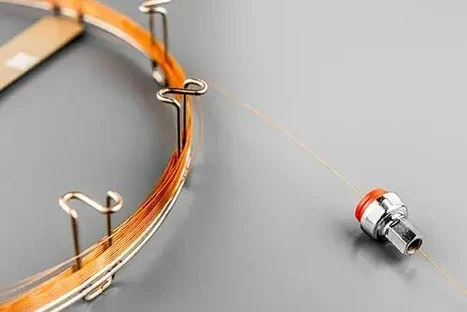
- Photo: Phenomenex: Trimming a GC Column: Purpose, Symptoms, and Proper Technique
- Video: Phenomenex: GC Column Trimming: Is It Really Necessary? | GC Tips
In this technical tip from Phenomenex, the topic of gas chromatography (GC) column trimming is addressed from a troubleshooting perspective. The key question explored is whether trimming a GC column is necessary and how it impacts chromatographic performance.
Why Trim a GC Column?
Column trimming is primarily used to restore chromatographic performance by removing damaged or contaminated sections, typically located at the column inlet.
1. Baseline Bleed, Noise, Ghost Peaks, Poor Peak Shape
- Cause: Column contamination
- Removing the contaminated stationary phase at the column entrance helps restore performance.
2. Elevated Baseline (Especially at High Temperature)
- Cause: Column bleed
- Degradation of the stationary phase due to oxygen exposure or thermal damage leads to increased baseline.
3. Ghost Peaks (Peaks Without Injection)
- Cause: Residual sample or contamination
- Compounds trapped at the beginning of the column can appear as peaks even when no sample is injected.
4. Peak Tailing (Asymmetrical Peaks)
- Cause: Damaged or contaminated column sections
- These issues result in adsorption effects or poor flow dynamics.
5. Retention Time Shifts
- Cause: Contamination or damage near the inlet
- Although trimming slightly changes retention time, it can correct shifts caused by inlet-side issues.
6. Baseline Noise and Spikes
- Cause: Particulate matter or degraded stationary phase
- These can lead to detector instability and random signal fluctuations.
7. Baseline Drift or Wander
- Cause: Contamination or oxidized column sections
- Removing these regions stabilizes the baseline.
8. Loss of Resolution or Sensitivity
- Cause: General column degradation
- Trimming removes the most exposed and damaged portions, effectively rejuvenating column performance.
How to Trim a GC Column
A capillary GC column consists of:
- Polyimide outer coating (protective layer)
- Fused silica tubing (fragile but flexible core)
Step-by-Step Procedure
1. Scoring the Column
- Use a ceramic wafer
- Hold it at an inclined angle
- Score the polyimide coating perpendicular to the column
2. Breaking the Column
- Perform a quick, decisive flick
- This ensures a clean, square cut
3. Inspecting the Cut
After trimming, visually inspect the column end.
Examples of Column Cuts
Good Cut
- Clean, square end
- Ensures proper sealing and connection
Bad Cuts
- Slight Irregularity
- Small imperfection at the edge
- Can cause leaks and active sites
- Poor / Rough Cuts
- Uneven or jagged edges
- Lead to:
- Poor connections
- Active sites
- Peak tailing
Conclusion
Trimming a GC column is a simple yet effective troubleshooting step. By removing contaminated or damaged sections—especially near the inlet—it can resolve a wide range of chromatographic issues, including baseline instability, ghost peaks, and loss of performance.
Proper cutting technique is essential to avoid introducing new problems such as leaks or active sites.