Hemp: A Forensic Perspective
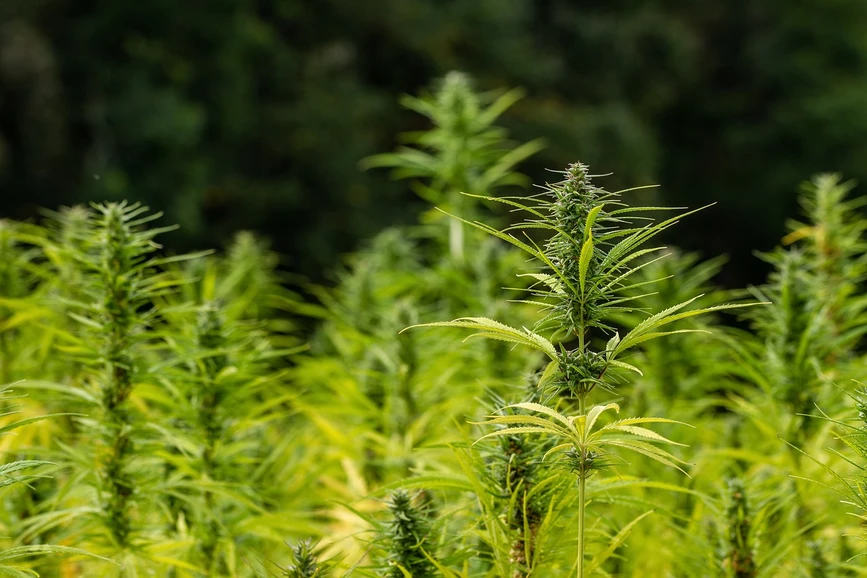
From a forensic perspective, a laboratory must answer this question: is the material presented for analysis an illegal product based on its total THC content? This presentation will discuss analytical strategies to answer this question.
The question ‘is this sample illegal based on its psychoactive ∆9-tetrahydrocannabinol content’ has been common in forensic labs for decades. Traditionally, this has been answered in a binary fashion as “yes” or “no” based on the results from a semi-quantitative analysis using GC/MS technologies. Since the passage of the Agriculture Improvement Act, also known as the Farm Bill, this question has become more complicated due in large part to the legalization of hemp as an industrial crop.
The United States Federal Register defines industrial hemp as any part or derivative (including seeds) of the plant Cannabis sativa L. with a dry weight concentration of “tetrahydrocannabinols” not greater than 0.3% by dry weight of the plant material. Tetrahydrocannabinols specifically refer to salts and isomers of ∆9- tetrahydrocannabinol (THC). Any hemp plant material that exceeds this threshold is defined as marijuana and considered an illegal Schedule I narcotic.
Recently, the USDA has published guidance for the determination of total THC (0.877*[THCA] + [THC]) in hemp and hemp-derived cannabinoid products. It has been stipulated that this testing must occur in DEA registered labs and that HPLC and or GC technologies are to be used for the quantitative determinations. Here, subject matter experts discuss an orthogonal LC/MS and GC/MS analytical strategy for quantification of total THC in hemp and hemp products. They will also discuss sample preparation of various products and analytical challenges using LC and GC methodologies.
Detailed Learning Objectives
a) Understand the legal definition of hemp and its differentiation from marijuana
b) Learn about HPLC, LC/MS, and GC/MS testing strategies
c) Understand the analytical challenges for the determination of total THC in cannabis, hemp, and cannabinoid products
Who should attend:
Forensic and criminalistic scientists, and laboratory personnel charged with the differentiation of legal help products and illegal cannabis materials.
Presenter: Anthony Macherone, Ph.D., Sr. Scientist, Strategic Program Manager & Cannabis Applications Technical Leader, Agilent Technologies; Visiting Professor, The Johns Hopkins School of Medicine