
GCMS
More information
WebinarsAbout usContact usTerms of use
LabRulez s.r.o. All rights reserved. Content available under a CC BY-SA 4.0 Attribution-ShareAlike
Organizer
The Analytical Scientist
The Analytical Scientist focuses on the people, technology and innovations shaping measurement science. We cover analytical science by telling stories – delving into the hopes, fears, motivations and aspirations of the key figures in the field.
Tags
GC
LinkedIn Logo

A new tool for more reliable and more detailed MOAH analysis: Gas Chromatography with Vacuum Ultraviolet detection (GC-VUV)
RECORD | Already taken place Th, 14.6.2018
Hans-Gerd will describe how GC-VUV provides a new solution to MOSH / MOAH analytical challenges through its unique selectivity.
Go to the webinar
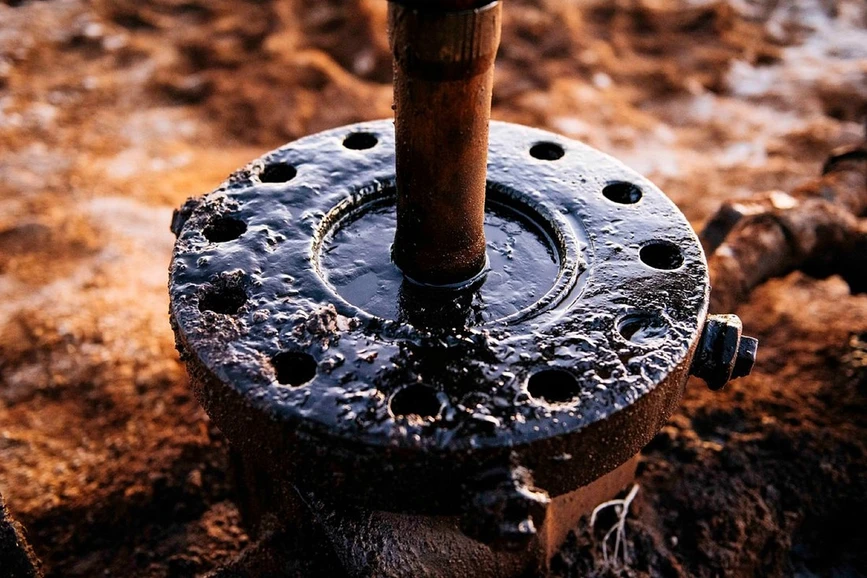
Pixabay/Redhawk Investment Group: A new tool for more reliable and more detailed MOAH analysis: Gas Chromatography with Vacuum Ultraviolet detection (GC-VUV)

Hans-Gerd will describe how GC-VUV provides a new solution to MOSH / MOAH analytical challenges through its unique selectivity.

Highly purified mineral oil hydrocarbons (MOH) are used in several food and cosmetic products. In these MOH materials low levels of (residual) Mineral oil Aromatic Hydrocarbons (MOAH) can be present. The quantification of these compounds is by no means trivial. All samples contain a vast excess of MOSH (Mineral Oil Saturated Hydrocarbons). The cause of these problems is often the use of non-selective analytical methods. Hans-Gerd will describe how GC-VUV provides a new solution to MOSH / MOAH analytical challenges through its unique selectivity.

Learning Objectives of Webinar

  • Understand the importance of characterizing MOSH and MOAH compounds in food and cosmetic products.
  • Learn about the analytical challenges common to the separation and quantification of MOSH and MOAH compounds.
  • Gain insight into how the unique selectivity of GC-VUV enables the accurate identification and quantification of MOSH and MOAH compounds.

Hans-Gerd Janssen, Science leader, Unilever Research Vlaardingen & professor analytical chemistry, University of Amsterdam, Unilever, University of Amsterdam

Dr. Janssen is a Professor at the University of Amsterdam and Science Leader at Unilever Research Vlaardingen, the Netherlands. His research focuses on the development of novel methods for obtaining highly detailed compositional information on complex samples. He is well known for his work with comprehensive chromatography set-ups that combine high-resolution liquid chromatography and gas chromatography. He holds a Ph.D. in Analytical Chemistry from Eindhoven University of Technology.

The Analytical Scientist
LinkedIn Logo
 

Related content

Analysis of Aroma Components in Apples Using the Smart Aroma Database

Applications
| 2026 | Shimadzu
Instrumentation
GC/MSD, GC/SQ, HeadSpace
Manufacturer
Shimadzu
Industries
Food & Agriculture

Analysis of Acetaldehyde and Limonene in Recycled PET Using an HS-GCMS System (Carrier Gas: H2)

Applications
| 2026 | Shimadzu
Instrumentation
GC/MSD, GC/SQ, HeadSpace
Manufacturer
Shimadzu
Industries
Energy & Chemicals

What Causes GC Capillary Column Performance Degradation, and How Can I Prevent It?

Technical notes
| 2026 | Agilent Technologies
Instrumentation
Consumables, GC columns
Manufacturer
Agilent Technologies
Industries
Other

Aromatic Component Analysis of Gasoline According to ASTM D5580 Using the Brevis GC- 2050 Gas Chromatograph

Applications
| 2025 | Shimadzu
Instrumentation
GC
Manufacturer
Shimadzu
Industries
Energy & Chemicals

Micro GC Analysis of Permanent Gas Impurities in PEM Fuel Cell-Grade Hydrogen

Applications
| 2025 | Agilent Technologies
Instrumentation
GC
Manufacturer
Agilent Technologies
Industries
Energy & Chemicals
Other projects
LCMS
ICPMS
Follow us
More information
WebinarsAbout usContact usTerms of use
LabRulez s.r.o. All rights reserved. Content available under a CC BY-SA 4.0 Attribution-ShareAlike