

Derivatization Chemistries for the Analysis of Cannabinoids Using GC–MS
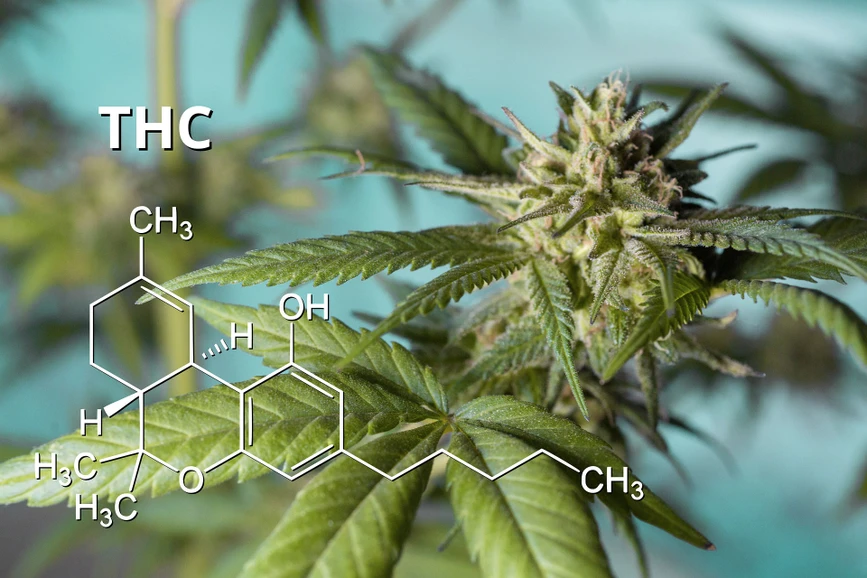
Determination of cannabinoid content in cannabis and cannabinoid products derived from cannabis and hemp is regulated in every jurisdiction where medicinal or adult use recreational programs have been legalized. A primary purpose of this testing is to quantify the total amount of psychoactive Δ9-tetrahydrocannabinol and other pertinent cannabinoids such as total cannabidiol, cannabinol, and cannabigerol content.
High performance liquid chromatography with ultra-violet detection is the most common choice for the analysis. Gas-phase applications can also be used but the laboratory must determine if they will chemically modify (derivatize) the target cannabinoids or analyze them in their natural state. This choice affects sample preparation procedures and the analytical conditions of the gas chromatography (GC) system.
This article focused on the use of GC–mass spectrometry (MS) for the analysis of derivatized cannabinoids in hempseed oil matrix. Sample preparation and synthetic conditions for silylation are discussed. Analytical results and observations of artifacts resulting from the derivatization processes and the analytical system are presented.
Agilent products and solutions are intended to be used for analytical testing of cannabis in laboratories where such use is permitted under state/country law.
Presenter: Anthony Macherone, PhD (Senior Scientist, Agilent Technologies, Inc.)
For the past several years, Anthony has been leading a team of Agilent scientists for the development and deployment of analytical testing methodologies to assure quality and safety of cannabis products. Anthony has written extensively on cannabis testing methodologies, solving complex problems encountered when using certain analytical systems, and contributed several chapters to books on the subject. In June 2020, Anthony joined Cannabis Science and Technology®’s Editorial Advisory Board.


