
GCMS
More information
WebinarsAbout usContact usTerms of use
LabRulez s.r.o. All rights reserved. Content available under a CC BY-SA 4.0 Attribution-ShareAlike
Organizer
Separation Science
Separation Science
Separation Science is the leading online resource for methods, applications, troubleshooting and training in chromatography and mass spectrometry.
Tags
Sample prep
Thermal desorption
LinkedIn Logo

Passive Sampling and Its Pivotal Role in ʹGreenerʹ Sampling of VOCs
RECORD | Already taken place We, 16.12.2020
This webinar will introduce thermal desorption (TD) and discuss how the options available for passive sampling can be best applied to a variety of VOCs in a range of situations.
Go to the webinar
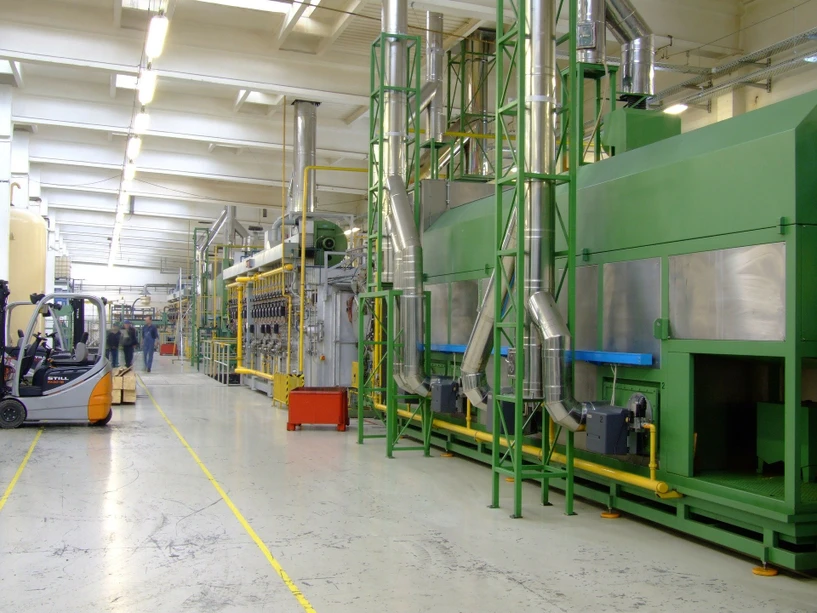
Pixabay/marcin049: Passive Sampling and Its Pivotal Role in ʹGreenerʹ Sampling of VOCs

Separation Science, in collaboration with Markes International offers an upcoming webinar that will introduce thermal desorption and discuss how the options available for passive sampling can be best applied to a variety of VOCs in a range of situations.

Passive sampling of volatile organic compounds (VOCs) is employed by specialists working in occupational hygiene and personal monitoring, routine ambient air monitoring and fenceline monitoring of industrial sites.

Initially, the technique was used to monitor personal VOC exposure in the workplace using activated charcoal tubes followed by solvent extraction. However, by the late 1970s, scientists from the UK Health & Safety Executive's Committee on Analytical Requirements had developed a less hazardous and ‘greener’ method: axial passive sampling followed by thermal desorption (TD) of sorbent tubes. TD has several benefits compared to solvent extraction and since the adoption of axial passive samplers, many other passive samplers compatible with TD have been developed.

This webinar will introduce TD and discuss how the options available for passive sampling can be best applied to a variety of VOCs in a range of situations. The webinar will also discuss the advantages and disadvantages of each option, with tips and tricks for successful measurement.

By attending this webinar you will learn about:

  • The power of passive sampling and why it works
  • Challenges and how to overcome them
  • Application areas – established and emerging
  • Recent developments in passive sampling
  • Sampling and analysis technologies.

Presenter: Nicola Watson (Markes International)

Nicola has over 15 years’ experience in environmental air sampling with a special interest in the development and application of passive sampling technologies.

Separation Science
LinkedIn Logo
 

Related content

Analysis of Aroma Components in Apples Using the Smart Aroma Database

Applications
| 2026 | Shimadzu
Instrumentation
GC/MSD, GC/SQ, HeadSpace
Manufacturer
Shimadzu
Industries
Food & Agriculture

Analysis of Acetaldehyde and Limonene in Recycled PET Using an HS-GCMS System (Carrier Gas: H2)

Applications
| 2026 | Shimadzu
Instrumentation
GC/MSD, GC/SQ, HeadSpace
Manufacturer
Shimadzu
Industries
Energy & Chemicals

What Causes GC Capillary Column Performance Degradation, and How Can I Prevent It?

Technical notes
| 2026 | Agilent Technologies
Instrumentation
Consumables, GC columns
Manufacturer
Agilent Technologies
Industries
Other

Aromatic Component Analysis of Gasoline According to ASTM D5580 Using the Brevis GC- 2050 Gas Chromatograph

Applications
| 2025 | Shimadzu
Instrumentation
GC
Manufacturer
Shimadzu
Industries
Energy & Chemicals

Micro GC Analysis of Permanent Gas Impurities in PEM Fuel Cell-Grade Hydrogen

Applications
| 2025 | Agilent Technologies
Instrumentation
GC
Manufacturer
Agilent Technologies
Industries
Energy & Chemicals
Other projects
LCMS
ICPMS
Follow us
More information
WebinarsAbout usContact usTerms of use
LabRulez s.r.o. All rights reserved. Content available under a CC BY-SA 4.0 Attribution-ShareAlike