

Simplifying the Analysis of VOCs and SVOCs from Solids, Liquids and Gases: The Insider’s Guide to Thermal Desorption
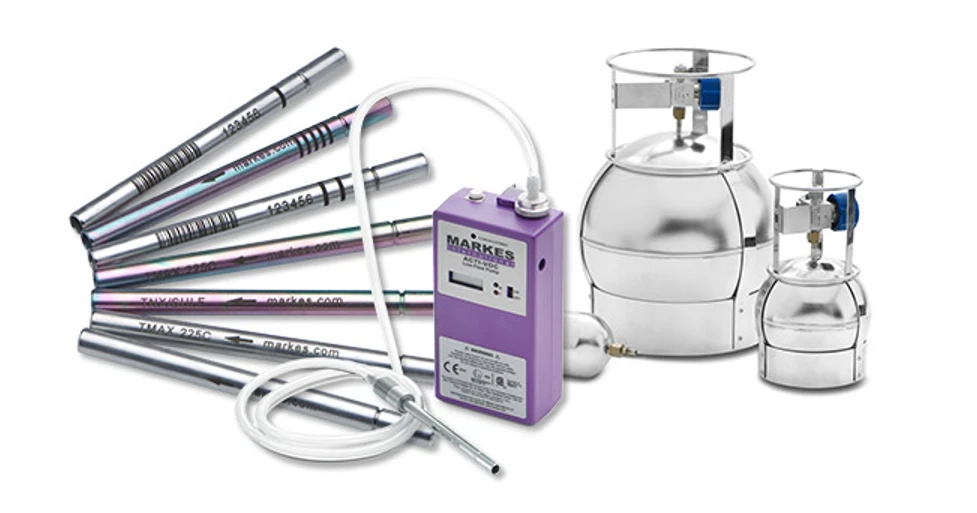
Separation Science, in collaboration with Markes International, is hosting a webinar on analysing samples by thermal desorption (TD). The step-by-step guide will include best practice, tips & tricks, and the latest TD innovations to optimise productivity and generate the best possible data.
Register for this upcoming learning event ...
The air that we breathe contains a wide variety of potentially harmful volatile and semi-volatile organic compounds (VOCs and SVOCs) from a wide range of sources, including industry, traffic, materials & furnishings in homes, cars and offices, and personal care products. In recent years there has been a growing global concern over the health effects of exposure to these compounds, which has led to the widespread requirement to monitor and ultimately reduce their concentrations in both ambient and indoor air.
Thermal desorption (TD) is a straightforward, powerful and versatile sample introduction technique for gas chromatography (GC), and is frequently the “go to” technique for those wishing to analyse VOCs and SVOCs from solids, liquids and gases. This is because TD methodologies overcome sensitivity limitations and facilitate analysis at trace level by combining sampling and pre-concentration with automated injection into the GC.
This webinar will walk through the stages involved in analysing samples by thermal desorption, including best practices, tips and tricks and the latest TD innovations to streamline processes and generate the highest quality data.
By attending this webinar you will learn...
- best practices for sampling and analysing samples and for calibration
- time-saving tips for method development and validation by thermal desorption
- how the latest technology enhancements in thermal desorption could streamline your workflows
Why should you attend?
- Thermal desorption (TD) is the most powerful sample introduction technique for GC, and can enhance detection limits, reduce sample preparation and stream-line analytical workflows. This webinar will walk through everything you need to know to get started with TD, as well as provide time-saving tips and showcase the latest technology enhancements for the experienced TD user.
Who should attend?
- Current or new users of TD who want to keep up with advancements in the technique.
- Contract laboratories thinking of starting or extending their GC analysis options.
- Scientists interested in monitoring air quality.
- Environmental scientists/consultants and laboratory managers/directors/supervisors who are involved with the analysis of VOCs and SVOCs.
Presenter: Dr Diane Turner (Anthias Consulting Limited)
For the past 20 years Diane has developed methods and given support & high-quality training for companies in most industries around the world. Diane is President-Elect of the Royal Society of Chemistry Analytical Division and trustee of the Analytical Chemistry Trust Fund in the UK.
Presenter: Dr Helen Martin (Markes International)
As product marketing manager for Markes’ thermal desorption products Helen oversees marketing activities and scopes future product requirements.


