

How to optimise your PFAS air sampling method using thermal desorption
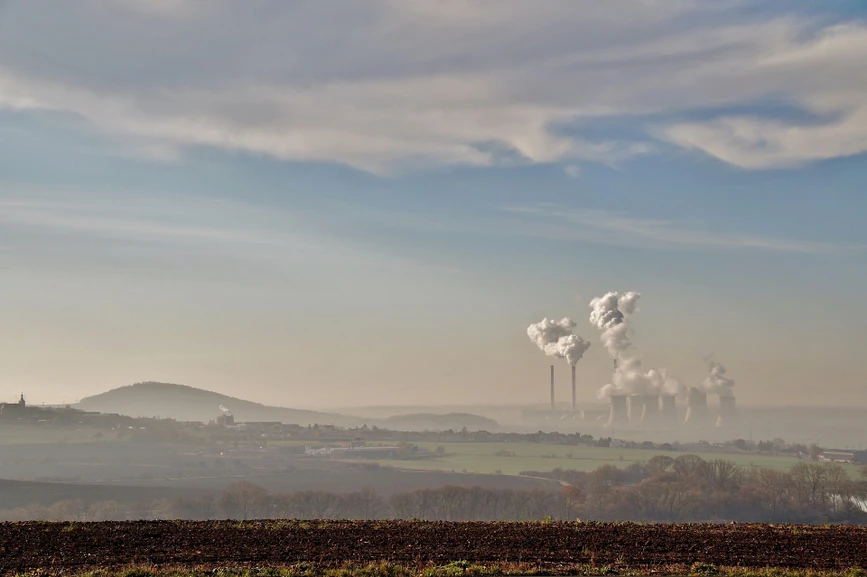
Research surrounding the health effects of per- and polyfluoroalkyl substances (PFAS) continues to grow, along with investigation of exposure pathways. PFAS in air are monitored globally, but recent regulatory changes have prompted a requirement for this to become routine. This has highlighted some challenges when performing PFAS monitoring at ultra-low concentration levels, including the need for pre-concentration of large volumes of air and for PFAS free blanks.
Thermal desorption (TD) has long been considered the gold-standard technique in environmental air monitoring for volatile organic compounds. The PFAS community is now turning to the technique for monitoring key species in air, and for undertaking research projects to understand the extent of the PFAS species present in the environment.
This presentation will discuss the advantages that TD offers, how to optimise a system for targeted and untargeted PFAS analysis, and how to overcome challenges posed by low-level PFAS monitoring.
By attending this webinar you will learn:
- How to optimise thermal desorption for monitoring PFAS in stack gases, ambient and indoor air.
- Which sampling techniques should be employed for different types of PFAS and breakdown products.
- What are the challenges, and misconceptions, with sampling and analysis of PFAS in air and how to manage them.
Why should you attend?
This webinar is appropriate for analysts with any level of prior knowledge on PFAS monitoring in air. If you are new to the topic of PFAS monitoring in air this webinar will increase your understanding of the options available for sampling and analysis. Thermal desorption users joining this webinar will gain information on how your instrumentation could be used for expanding your monitoring activities. When discussing the challenges associated with monitoring this broad set of compounds, our presenters will be drawing on Markes International's own work but also feedback from our collaborations with the wider monitoring community.
Who should attend?
- Researchers interested in PFAS
- Laboratory and project managers working with PFAS
- Analysts who want to monitor PFAS destruction efficiency
- Environmental consultants
Presenter: Helen Martin (Thermal Desorption Business Unit Manager, Markes International)
Helen oversees research and development, application development and product marketing for the TD instrument range. Specialising in the sampling and analysis of vapour-phase organic compounds from air, water, soil and materials Helen joined Markes International in 2012 as a technical support specialist and has worked in new product development and product marketing. Before starting her career with Markes, Helen gained a PhD from Loughborough University in clinical metabolomics, during which her primary research focus was developing non-invasive sampling strategies for breath, skin and saliva for analysis by thermal desorption with GC-MS.
Presenter: Hannah Calder (Environmental Air Market Development Manager, Markes International)
Hannah Calder is Markes International’s Environmental Air Market Development Manager, specialising in the application of thermal desorption in environmental air monitoring. Hannah joined Markes International’s global team of technical experts in 2013 following her Masters degree in Chemistry obtained from Cardiff University.


