N-Nitrosamines – the Evolution of the Concerns
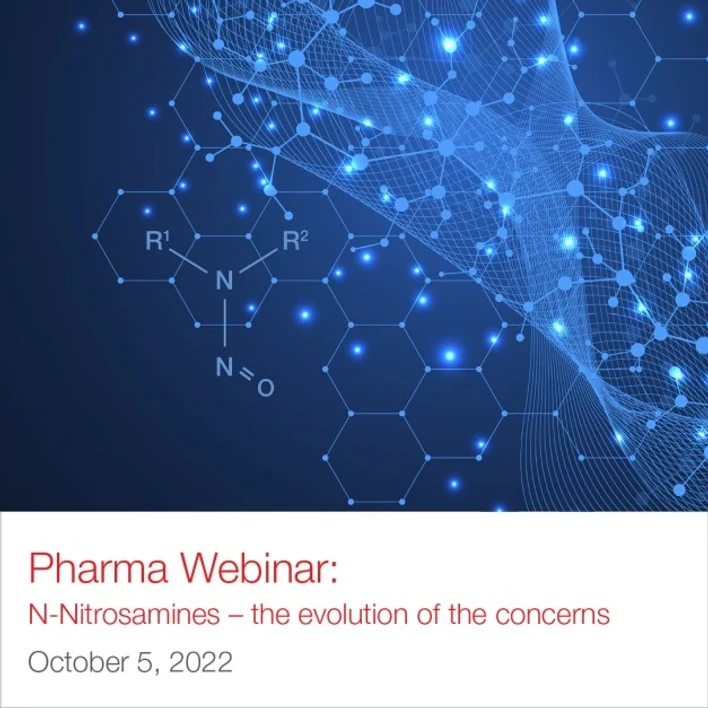
In 2018 Valsartan was found to contain the N-Nitrosamine, NDMA. This discovery set in motion an issue that, still to this day, has sent shock waves through the Pharmaceutical Industry and continues to threaten the future viability of many critical medicines.
This presentation will seek to examine the chain of events that have led us to the present day and asks the question: Is the issue we now faced the same issue as that first identified in the Valsartan incident and are the same approaches valid?
The evolution of the issue from a drug substance contamination issue to one related to N-Nitrosamines formed from the active itself. How the two issues are distinct and how by treating them as equivalent threatens the very existence of many critical medicines and the choices industry and regulators now face.
Key learning objectives
- Formation of API related N-Nitrosamines in formulated products where the active is a secondary amine is virtually unavoidable
- The principle of avoidance aligned to acceptable intakes, based on potent dialkyl amines e.g., NDEA (26.5ng/day) threatens to see widespread withdrawal of whole classes of pharmaceuticals
- What is being done to avoid the disaster we face
Presenter: Dr. Andrew Teasdale (Senior Principal Scientist Impurity Management and External Advocacy, AstraZeneca)
Dr. Teasdale has 30 years experience in the pharmaceutical industry. In his current role, he chairs AstraZeneca’s Impurity Advisory Group. Dr. Teasdale has published over 50 peer reviewed publications and three books relating to mutagenic impurities, N-Nitrosamines, extractables and leachables, and other impurity related matters.